How Do I Know My Toddler Is Ready for Daycare?
There’s no form you fill out, no test your child takes, no single birthday that flips a switch and says “ready.” Most parents figure this out the way you’re doing it right now — by watching their kid closely and asking around, half-convinced they’re overthinking it and half-convinced they’re not thinking about it enough.
Age is a starting point, not an answer
A lot of the advice out there treats age like it’s the whole story. It isn’t. We’ve had eighteen-month-olds walk into our Besa centre and settle into the routine within a week, and we’ve had three-year-olds who needed a full month of short visits before drop-off stopped being hard. Both are completely normal.
What actually matters more than the number on the birth certificate:
Can they tolerate being away from you for short stretches already? If grandparents, a trusted neighbour, or a babysitter have watched them for an hour or two without a meltdown that doesn’t end, that’s a real signal. If every separation so far has gone badly, daycare will still work eventually — it just might take a slower runway.
Are they eating and napping on something resembling a schedule? Daycare runs on routine because a room full of children needs one to function. A child who’s already used to eating around the same times, and who naps at some point in the day rather than randomly, tends to adjust faster than one whose schedule is still all over the place.
Can they point, gesture, or say a few words to communicate a basic need? They don’t need full sentences. But a child who has some way to signal “I’m hungry” or “I hurt myself” — even just pointing and fussing in a specific way you’d recognise — settles in faster than one who has no way to bridge that gap with a new adult yet.
Are you actually ready? This one gets left out constantly, and it shouldn’t be. A lot of the anxiety kids show at drop-off is picked up from the parent standing in the doorway. If you’re still deeply unsure, your child will feel that, every single morning, for weeks.
What “ready” doesn’t mean
Ready doesn’t mean your toddler will walk through the door on day one, wave goodbye, and never look back. That happens for maybe one child in twenty. For everyone else, there’s a stretch — three days, ten days, sometimes three weeks — where drop-off is hard and pickup is a relief for both of you. That’s not a sign you made the wrong call. It’s just what adjusting to something new looks like when you’re two or three years old and don’t yet have the words to say “I don’t understand where you’re going.”
What we tell parents at Cocoon, and what we mean: give it two full weeks of consistent attendance before you decide whether it’s working. Judging it after day two is judging it too early.
What actually shortens the adjustment period
A few things genuinely help, based on what we see across both our centres:
- Short visits before the real start. A 30-minute visit where you stay in the room, followed by one where you leave for ten minutes, makes the first real day less of a shock.
- A consistent goodbye, every time. Not sneaking out while they’re distracted — a real, short goodbye, said the same way each day. Kids settle faster when they can predict what’s coming, even the hard part.
- One familiar object from home. A specific toy, a small blanket, whatever they already reach for when they’re upset. It doesn’t need to be anything special. It needs to be theirs.
- Not asking too much, too soon. A child settling into daycare for the first time is doing enough just by being there. This isn’t the month to also start potty training or move them to a new bed.
If your child is closer to one than three
Infant and young toddler readiness looks a little different from what we described above, mostly because language isn’t part of the picture yet. At that age, what matters most is whether the daycare’s routine — feeding times, nap patterns, how they handle a crying baby who can’t say what’s wrong — can actually flex around your child’s existing rhythm rather than forcing your child to adapt to theirs on day one. Ask about this directly when you’re looking at centres. It matters more at this age than almost anything else on a typical checklist.
A note on the guilt, because it’s real
If part of what’s holding you back isn’t your child’s readiness but your own — the sense that a “good parent” wouldn’t need this — that’s worth naming honestly. It’s an extremely common feeling among working parents in Nagpur and everywhere else, and it doesn’t hold up well under scrutiny. Children in structured daycare settings generally do fine, often better than fine, once past the adjustment period. The quality of attention you give your child in the hours you do have matters more than the raw number of hours.
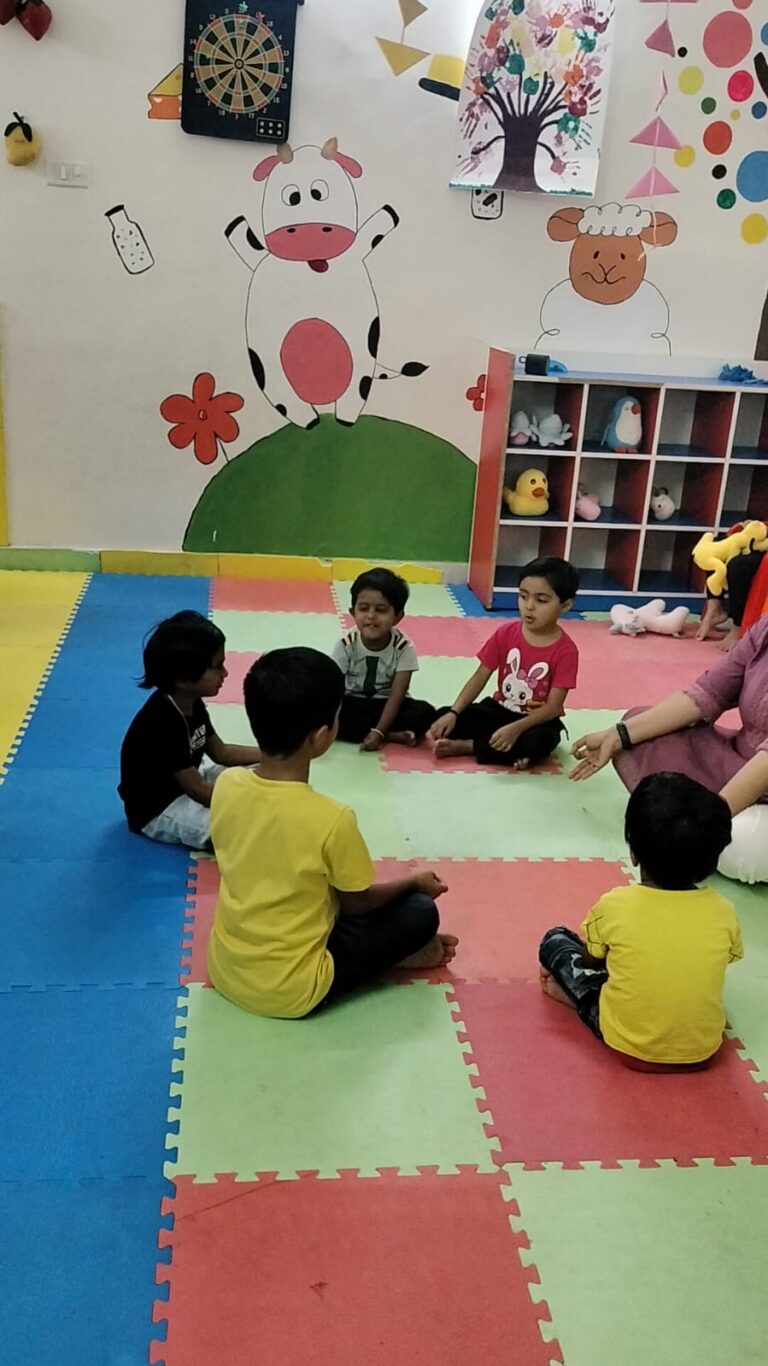
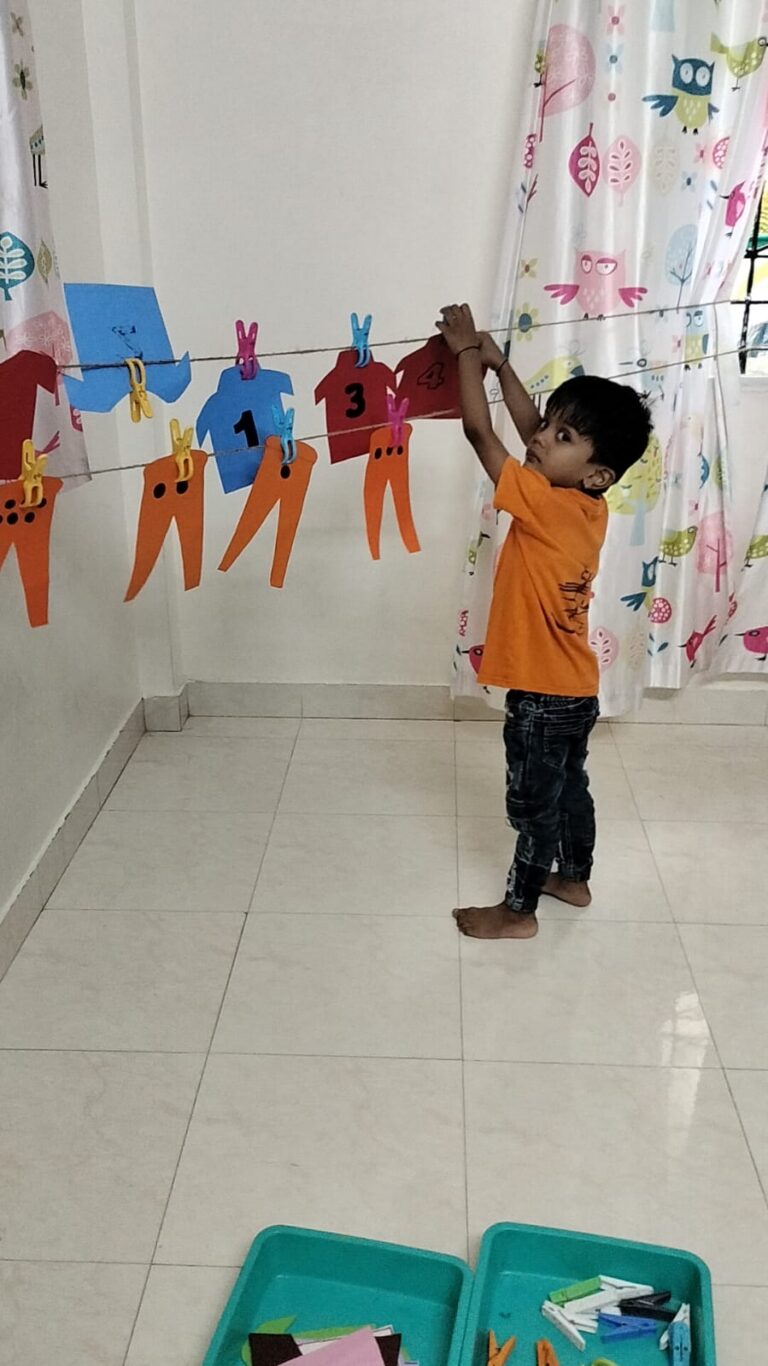
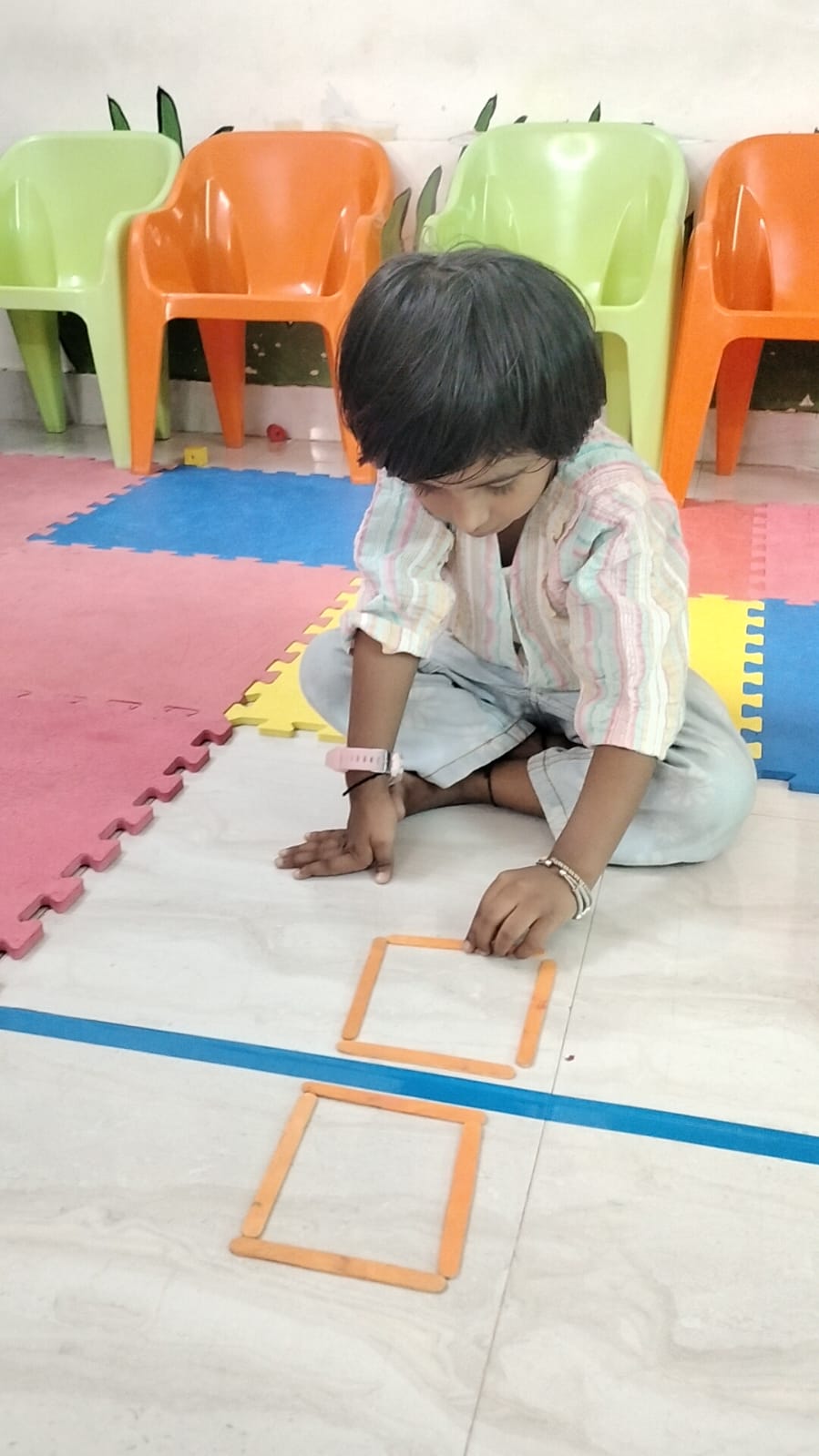
At Cocoon, we’re a curriculum-based daycare and preschool with centres in Besa and Somalwada, built around six developmental skill areas rather than just supervision — and every child who joins goes through exactly the kind of gradual settling-in process described above, not a cold first day. If you’re weighing this decision, come see one of our centres before you decide anything. Book a free visit and bring your questions with you.
Frequently Asked Questions
Is there a “right age” to start daycare?
Not a single one — it depends more on your child’s temperament, prior separation experience, and your own readiness than on their exact age. Most children adjust successfully anywhere from twelve months to three years old.
How long does it usually take a toddler to settle into daycare?
Give it a full two weeks of consistent attendance before judging whether it’s working. Most children take somewhere between a few days and a few weeks to stop finding drop-off difficult.
What if my child cries every single day at drop-off?
This is common in the first couple of weeks and isn’t on its own a sign something is wrong. If it continues well beyond that with no improvement at all, that’s worth a conversation with your child’s teachers about what specifically is happening once you leave.
Should I stay and watch during drop-off?
Generally, no — a quick, consistent goodbye works better than lingering, which tends to signal to the child that leaving is something to be anxious about.