Is It Normal to Feel Guilty Sending Your Child to Daycare?
If you have ever sat at your desk wondering whether choosing daycare makes you a less devoted parent, you are far from alone. This is one of the most common and least discussed feelings among working parents, and it deserves a direct, honest answer rather than reassurance for its own sake.
Where This Feeling Comes From
In many Indian households, childcare has traditionally been handled within the family — by grandparents, other relatives, or a parent who stays home. As more families move to smaller cities for work, live in nuclear households, or simply need two incomes to manage rising costs, that traditional support structure is often not available. Choosing daycare in that context can feel like a compromise rather than a decision, even when it is genuinely the right choice for the family.
It helps to name this clearly: the guilt many working parents feel is a response to social expectation, not a reliable signal that something is wrong with the choice itself.
What Actually Matters for a Child’s Development
The quality of the time you spend with your child consistently matters more than the raw number of hours. A parent who is present, attentive, and emotionally available for two focused hours in the evening is giving their child something a distracted, exhausted parent cannot replicate across a full day at home. Daycare does not replace a parent’s role. It supplements it, during the hours a parent would otherwise be working regardless of the childcare arrangement chosen.
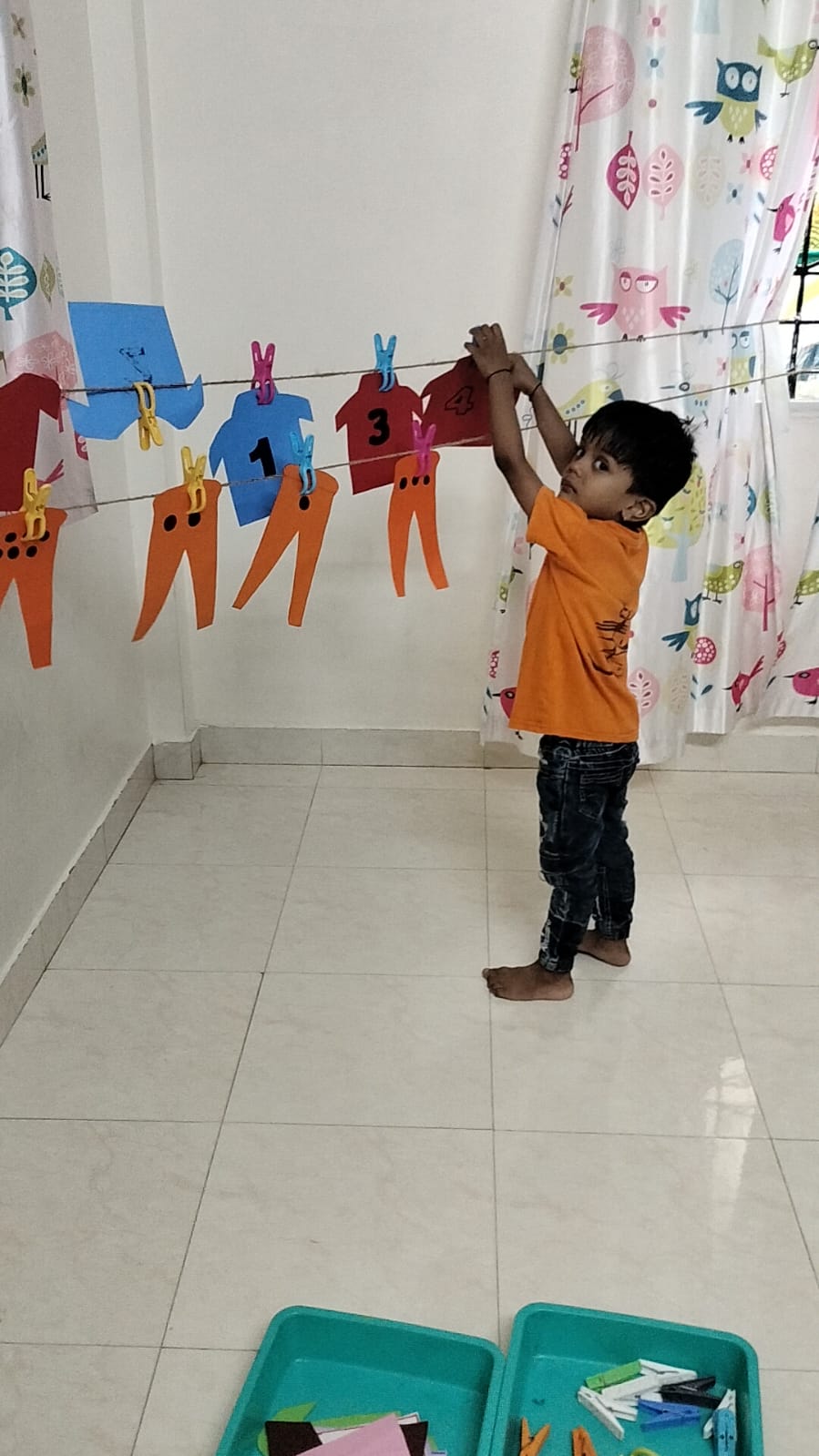
There is also a developmental case for structured daycare that gets overlooked in the guilt conversation. Children in a well-run, curriculum-based environment are exposed to peer interaction, routine, and structured learning activities that are difficult to fully replicate one-on-one at home. Social skills, turn-taking, following group instructions, and early academic exposure all develop through this kind of setting in ways that benefit a child regardless of how many hours a parent is able to be physically present.
Reframing the Question
The more useful question is rarely “should I be doing this at all,” and more often “am I choosing the right environment for my child while I am at work.” That second question is answerable, and it is the one worth spending your energy on. Look for a daycare with consistent, trained staff, transparent safety practices, and real communication about your child’s day — not as reassurance that you are a good parent, but because it is a reasonable, practical standard to hold any childcare provider to.
Making the Most of the Hours You Do Have
- Protect a consistent window of undistracted time. Even thirty focused minutes without a phone in hand tends to matter more to a young child than a full unfocused evening.
- Ask about the day specifically. Rather than a general “how was your day,” ask what they built, what game they played, or who they sat with at lunch. Specific questions build the sense that you are genuinely present in their world.
- Let go of the comparison. Every family’s arrangement looks different, and the presence of extended family, a second income, or a demanding job are all real constraints, not personal failures.
What This Looks Like at Cocoon
Our curriculum is built specifically so that the hours your child spends with us are not simply supervised time, but structured, purposeful development across six skill areas — fine motor, gross motor, sensory play, social-emotional growth, bilateral coordination, and sanskar and values. Parents receive real-time updates throughout the day, so the hours you are apart do not feel like a gap in information. For many parents, that visibility is what turns guilt into confidence.
If you are weighing this decision, we would rather you see it for yourself than take our word for it. Book a free visit to either our Besa or Somalwada centre, or read about what a day at Cocoon actually looks like.
Frequently Asked Questions
Is daycare bad for a young child’s development?
There is no general basis for that conclusion. A well-run, curriculum-based daycare provides structured learning, peer interaction, and routine that support healthy development. What matters most is the quality of the specific environment chosen.
Will my child bond with me less if they attend daycare full-time?
Parental bonding is driven primarily by the quality and consistency of interaction during the time you do spend together, not by the total number of hours in a day. Daycare does not replace that relationship.
How do I know if I am choosing the right daycare rather than just easing my guilt?
Focus on concrete, checkable factors: staff consistency, safety practices such as CCTV monitoring, transparent daily communication, and a structured curriculum. These are practical standards, not reassurance, and they are the right things to evaluate regardless of how you feel about the decision itself.